Source Fine Stone Lab Jaw Crusher for Quarry, Mine, and Aggregate
Compare 30 fine stone lab jaw crusher options from verified Chinese suppliers. Buyers can evaluate specifications like capacity, voltage, and customization for applications in quarry, mine, and aggregate processing industries; compare the available evidence and request quotations based on your requirements.
Key considerations
Products List


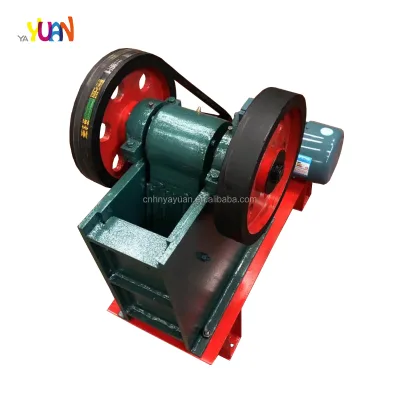


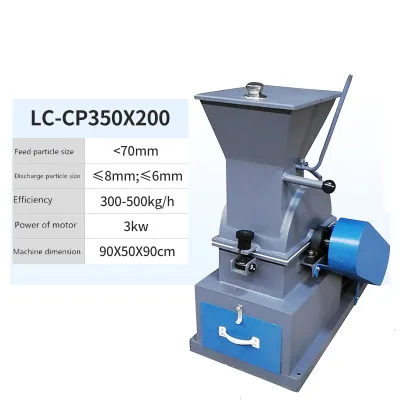

Comprehensive Sourcing Guide
Fine Stone Lab Jaw Crusher Sourcing Guide
Procuring a fine stone lab jaw crusher requires a disciplined approach to aligning laboratory-scale precision with industrial-grade durability. Buyers must first define the specific material characteristics, such as hardness and abrasiveness, to ensure the selected machine can handle the intended feed size without excessive wear. The observed market signals indicate a wide range of capabilities, from small-scale testing units to larger models capable of processing aggregates and ores. Understanding these distinctions is critical for selecting equipment that meets both throughput requirements and space constraints within a laboratory or pilot plant environment.
The sourcing process also involves evaluating the supplier’s ability to provide customization and after-sales support. Many manufacturers offer tailored solutions, including variable voltage options and specific drive types, to fit unique operational needs. It is essential to verify that the supplier provides comprehensive documentation, including certification and warranty terms, to mitigate operational risks. By focusing on these foundational aspects, buyers can establish a clear procurement strategy that balances technical performance with commercial viability, ensuring the selected jaw crusher delivers consistent results over its operational lifespan.
Product Scope and Observed Listing Signals
The current market for fine stone lab jaw crushers presents a diverse array of models, with observed prices ranging from $200 to $60,000 USD. This broad spectrum reflects variations in capacity, material construction, and technological features. Buyers should note that minimum order quantities (MOQ) typically range from 1 to 5 units, indicating that suppliers are often willing to accommodate small-scale laboratory purchases or pilot project requirements. This flexibility allows procurement teams to acquire single units for testing without committing to large industrial orders, making it easier to validate equipment performance before scaling up operations.
Listing signals also highlight the importance of delivery speed and stock availability. Many suppliers advertise delivery dates as short as two days, suggesting that certain models are kept in stock for immediate dispatch. This rapid availability is particularly valuable for laboratories facing urgent testing deadlines or unexpected equipment failures. Additionally, the observed product attributes, such as energy-saving features and new condition guarantees, suggest that modern units are designed for efficiency and reliability. Buyers should leverage these signals to prioritize suppliers who can offer quick turnaround times while maintaining high standards of product quality and service.
Technical Specifications to Verify
When evaluating technical specifications, buyers must carefully assess the feed size and crushing capacity to ensure compatibility with their laboratory workflows. Observed data indicates feed sizes ranging from 300mm to 500mm, with maximum feeding sizes up to 1020mm, depending on the model. It is crucial to verify that the selected crusher can handle the specific dimensions of the stone samples being processed. Additionally, the crushing degree, often described as intermediate, and the crushing style, which may involve extruding and milling, should align with the desired particle size distribution for accurate laboratory analysis.
Motor type and drive mechanism are also key technical considerations. The market offers options for both AC motors and electric or diesel drives, allowing buyers to choose based on available power infrastructure and operational preferences. Voltage specifications, such as 380V, must be confirmed to ensure compatibility with local electrical systems. Furthermore, the weight of the unit, typically under 1 ton, impacts installation requirements and mobility within the laboratory. Buyers should request detailed technical datasheets to verify these specifications and ensure that the equipment meets their precise operational needs.
Compliance and Safety Documentation
Compliance with international standards is a critical factor in sourcing laboratory jaw crushers. Many suppliers provide certifications such as ISO9001, CE, ISO, and SGS, which indicate adherence to quality management and safety regulations. Buyers should verify the validity of these certifications and ensure that the equipment meets the specific regulatory requirements of their region. Additionally, the presence of a one-year warranty and life-long service guarantees suggests that manufacturers stand behind the durability and performance of their products. These assurances provide buyers with confidence in the long-term reliability of the equipment.
Safety documentation should also include detailed operating manuals and maintenance guidelines. Buyers must ensure that the supplier provides comprehensive instructions for safe operation, including emergency shutdown procedures and routine maintenance schedules. The use of high manganese steel for cutter materials, as observed in some listings, indicates a focus on durability and resistance to wear. However, buyers should verify that the equipment includes necessary safety guards and interlocks to protect operators during use. Proper documentation and safety features are essential for maintaining a secure laboratory environment and ensuring consistent performance.
Cost Drivers and Commercial Terms
Several factors influence the total cost of ownership for a fine stone lab jaw crusher. The observed price range of $200 to $60,000 USD reflects variations in capacity, material quality, and technological features. Buyers should consider not only the initial purchase price but also ongoing costs such as energy consumption, maintenance, and spare parts. Energy-saving features, as highlighted in some listings, can significantly reduce operational expenses over time. Additionally, the weight and dimensions of the unit impact shipping and installation costs, which should be factored into the overall budget.
Commercial terms, including payment methods and delivery conditions, also play a crucial role in the procurement process. Buyers should negotiate clear terms regarding warranty coverage, after-sales service, and return policies. The availability of customization options, such as specific packing standards or voltage configurations, may incur additional costs but can enhance the suitability of the equipment for specific laboratory needs. It is essential to obtain detailed quotes that break down all costs, including taxes, duties, and shipping fees, to avoid unexpected expenses. Transparent commercial terms help buyers make informed decisions and manage their procurement budgets effectively.
Supplier Qualification and Quality Control
Supplier qualification is a vital step in ensuring the reliability of the purchased equipment. Buyers should verify the supplier’s production capabilities, quality control processes, and after-sales service infrastructure. The observed presence of local service centers in regions such as Zimbabwe, Indonesia, and Nigeria indicates that some suppliers offer extensive support networks. Buyers should assess the proximity and responsiveness of these service centers to ensure timely maintenance and repair services. Additionally, the supplier’s experience in manufacturing jaw crushers and their reputation in the market should be evaluated through customer references and industry reviews.
Quality control measures should include rigorous testing and inspection procedures before shipment. Buyers should request test reports or certification documents that verify the performance and safety of the equipment. The use of standard export packaging, as observed in some listings, helps protect the equipment during transit and reduces the risk of damage. Buyers should also verify that the supplier provides a comprehensive warranty and clear guidelines for claiming warranty services. By thoroughly qualifying suppliers and verifying quality control measures, buyers can minimize risks and ensure the long-term performance of their laboratory jaw crushers.
Long-Term Procurement Checks
Long-term procurement checks involve monitoring the performance and reliability of the purchased equipment over time. Buyers should establish a routine maintenance schedule and track key performance indicators, such as throughput, energy consumption, and downtime. Regular inspections and preventive maintenance can help identify potential issues early and extend the lifespan of the equipment. Buyers should also maintain open communication with the supplier to address any operational challenges or technical questions that may arise. This proactive approach ensures that the laboratory jaw crusher continues to meet performance expectations and supports accurate testing results.
Additionally, buyers should periodically review the supplier’s product offerings and market trends to identify opportunities for upgrades or replacements. Technological advancements in jaw crusher design and materials may offer improved efficiency or durability. Buyers should also stay informed about changes in regulatory requirements or industry standards that may impact equipment usage. By conducting regular procurement checks and staying engaged with the supplier, buyers can optimize their laboratory operations and ensure that their equipment investments continue to deliver value over the long term.
FAQs
What certifications do the fine stone lab jaw crushers have?
The fine stone lab jaw crushers carry ISO9001, CE, ISO, and SGS certifications. These documents verify quality management and safety standards for industrial equipment. Buyers can rely on these certifications to ensure the machinery meets international operational requirements for crushing aggregates and ores.
How fast can the fine stone lab jaw crusher deliver?
Delivery for the fine stone lab jaw crusher is available in 2 days as it is currently in stock. This rapid lead time applies to specific models like the PE/PEF Series. Buyers seeking immediate deployment can utilize this availability without waiting for long manufacturing cycles.
Which voltage powers the fine stone lab jaw crusher motor?
The fine stone lab jaw crusher operates on a 380V voltage supply. It utilizes an AC motor for efficient power transmission during crushing operations. This electrical specification ensures compatibility with standard industrial power grids used in quarries and mineral processing facilities across various regions.
Can the fine stone lab jaw crusher be customized?
Customization is available for the fine stone lab jaw crusher to meet specific production needs. Buyers can request tailored specifications for capacity or material handling. This flexibility allows the equipment to adapt to different ore types like basalt, granite, or limestone without compromising performance.
What is the warranty period for the fine stone lab jaw crusher?
The fine stone lab jaw crusher comes with a 1-year warranty guarantee. This coverage ensures protection against manufacturing defects for the initial year of operation. Additionally, life-long after-sale service is provided to support long-term maintenance and operational continuity for industrial clients.
How much does the fine stone lab jaw crusher weigh?
The fine stone lab jaw crusher weighs less than 1 ton. This lightweight design facilitates easier transportation and installation at various quarry sites. Despite the compact weight, the machine maintains high capacity and durability for crushing aggregates, ores, and minerals effectively.
What materials can the fine stone lab jaw crusher process?
The fine stone lab jaw crusher processes basalt, copper ore, gold ore, granite, and iron ore. It is designed for intermediate crushing of these hard materials. The high manganese steel cutter material ensures durability when handling tough minerals in mining and aggregate industries.